
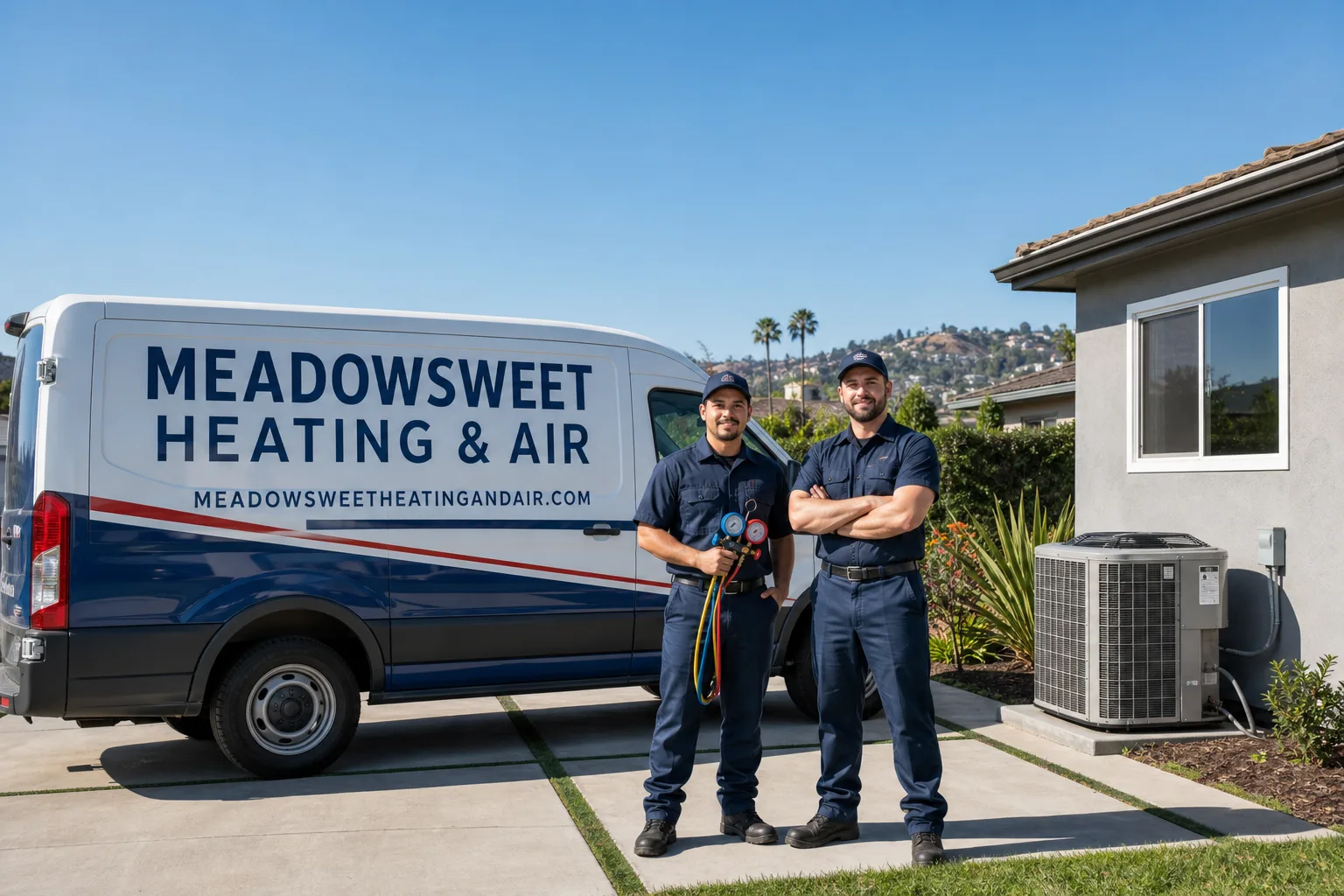
Seasonal tune-up and full diagnostic on your Carrier, Trane, or Goodman system - readings shown to you before any repair is proposed
Diagnosis first, numbers second - you approve the repair price before a single part goes in.







 Before
 After
After Before
 After
After Before
 After
AfterFast, Reliable AC Installation Across Miami Beach
AC installation in Miami Beach, FL typically costs between $4,130 and $8,850 for a complete system replacement, and the job usually takes one to two days once equipment arrives. Miami Beach is a narrow barrier island with salt-laden air attacking condensers from the Atlantic side and Biscayne Bay side simultaneously, so equipment selection and corrosion protection matter more here than almost anywhere else in Florida. Our crews know the Art Deco buildings of South Beach, the 1950s concrete condos of Mid-Beach, and the low-lying streets like West Avenue where king tides push water up over the curb. If you’re planning an AC install in Miami Beach, call (747) 966-3037 for a free estimate with a written price before any work starts.
Why Meadowsweet Heating & Air Is Miami Beach’s Preferred AC Installation Company
Miami Beach homeowners keep calling us for a reason that has nothing to do with flashy marketing: we show up prepared for what this island actually throws at HVAC equipment. Our technicians know the difference between a 1936 Art Deco walk-up on Ocean Drive and a 1970s concrete slab condo on Collins Avenue, and they plan the install accordingly. Luis Serrano has built our Miami Beach crew around one habit: pull the Miami-Dade County Notice of Acceptance before ordering anything. That single step catches the code problem that stalls most out-of-county installs before it ever reaches inspection day.
Every job includes the Cedarwell Care Promise, which means a written price before work begins, background-checked uniformed technicians who follow the C.A.R.E. values code, and a 365-Day Done Right Promise that stands behind the finished install. We answer the phone with a live person 24 hours a day, seven days a week, nights and weekends included. No voicemail queue, no call center scripts. Just a real person who can schedule a Miami Beach visit quickly.
Furnace Installation in Miami Beach
Furnace Installation in Miami Beach is less about heating load and more about dehumidification, because the island’s humidity stays above 80% for most of the year and even a mild winter day can feel damp indoors. A complete furnace or air handler replacement in Miami Beach runs $4,130-$8,850 depending on tonnage, duct condition, and whether the electrical panel needs upgrading first. Many older Miami Beach condos still run original fan-coil units with corroded copper risers, and a swap that ignores static pressure will short-cycle and leave the floors sweating. We pull a load calculation and static pressure reading before recommending anything, which is why our furnace installs here hold humidity in check instead of just moving air.
Ducted Replacement in Older Condos
When an existing ducted system is in decent shape, we can often reuse the ductwork and replace the air handler and condenser as a matched set. That keeps costs near the lower end of the range while fixing the humidity problem with properly paired equipment. If ducts are crushed or leaking, as we often find in 1950s concrete slab buildings with aging chases, the price moves up because duct repair or replacement becomes part of the job.
Electrical Panel Upgrades Before Furnace Work
Many Miami Beach homes built before 1970 have panels rated for 60 or 100 amps, and a modern heat pump or electric furnace needs dedicated circuits that an older panel can’t support safely. In South Beach especially, we frequently coordinate a panel upgrade before the furnace install so the new equipment passes Miami-Dade inspection without a second trip. That’s a real cost driver, and we’ll tell you upfront if your panel is going to be the limiting factor.
HVAC Installation in Miami Beach
HVAC Installation in Miami Beach usually means one of two things: a full system replacement for a wood-frame single-family home, or a high-velocity or ductless retrofit for an older Art Deco or Mediterranean Revival building with no real duct chases. Either way, the complete job runs $4,130-$8,850, with the final number driven by the equipment type, the NOA compliance, and whether the house needs electrical or ductwork upgrades first. Our crews install equipment that meets the Miami-Dade High-Velocity Hurricane Zone requirements, because a unit without a valid NOA will fail inspection even if it’s otherwise perfect. Luis Serrano’s team has handled enough of these retrofits to know which questions to ask before the first wall is opened.
Mini Split and High-Velocity Retrofits
In the Art Deco Historic District, where hundreds of buildings from the 1920s and 1930s predate central air, ductless mini-split and high-velocity systems are usually the only workable retrofit paths. Miami Beach Historic Preservation Board rules restrict exterior equipment placement and facade penetrations, so we route linesets carefully and keep condensers off the street-facing facade whenever possible. These systems run toward the upper end of the price range because the equipment is specialized and the install takes more time, but they solve the cooling problem without altering the building’s historic character.
Standard Split Systems in Houses
For single-family homes with existing ductwork, a standard split system replacement in Miami Beach falls in the $4,130-$8,850 range depending on SEER rating, tonnage, and whether we’re replacing the air handler and condenser together. We always recommend coastal-grade coil coatings here because the salt air on both sides of the barrier island oxidizes standard aluminum fins within two to three years. That coating costs a bit more up front and extends the equipment’s life significantly.
Trusted Brands We Service in Miami Beach
We service equipment from nine major brands, and we stock replacement parts locally for Miami Beach customers who need a repair or a warranted component fast. For new installs, we regularly work with Daikin, Rheem, and York equipment because these manufacturers have strong Miami-Dade NOA documentation and good support for coastal installations. Daikin’s mini splits are a common choice for South Beach retrofits, while Rheem and York give us solid split-system options for single-family homes in Mid-Beach and North Beach. When you call, we’ll recommend the equipment that fits your building’s constraints and your budget, not the brand we happen to have on the truck.
Common AC Installation Problems We See in Miami Beach Homes
- Out-of-county installers ordering non-NOA equipment. A unit without a Miami-Dade County Notice of Acceptance will fail inspection in Miami Beach even if it’s the right tonnage and efficiency. We pull the NOA number before ordering anything.
- Short-cycling systems that never dehumidify. Many older Miami Beach homes had oversized equipment installed years ago, and a like-for-like swap just repeats the problem. Without a proper load calculation, the new unit runs too briefly to remove moisture, leaving the house cool but clammy.
- Condensers and air handlers set at grade in flood-prone areas. On low-lying streets like West Avenue and Alton Road, king-tide flooding has damaged equipment within a season. We elevate condenser pads and relocate ground-floor air handlers upward where practical.
- Historic facade restrictions blocking standard condenser placement. In the South Beach Art Deco District, exterior equipment placement is regulated by the Historic Preservation Board, and not every contractor knows the rules. We plan condenser locations with those restrictions in mind from the start.
Pricing for AC Installation in Miami Beach, FL
A complete AC installation in Miami Beach typically runs $4,130-$8,850 based on the size of the home, the equipment type, and whether ductwork or electrical upgrades are needed. Mini-split high-velocity retrofits in older buildings land at the higher end, while straightforward split-system replacements in houses with good ductwork land lower. The price ranges by job, not by postcode: Miami, Key Biscayne, and Coral Gables are all within a similar band. Before any work starts, you’ll have a written price in hand with no surprises. Call (747) 966-3037 for a free estimate.
We Also Serve Cities Near Miami Beach
While this page focuses on AC installation in Miami Beach, our crews also serve Miami Beach neighbors in Miami, Key Biscayne, Coral Gables, and Hialeah. Whether you’re in a high-rise on Brickell or a single-family home in Coral Gables, we apply the same Cedarwell Care Promise and the same Miami-Dade code knowledge. But the specific building conditions and humidity challenges discussed here are unique to the barrier island.
Serving Miami Beach, FL - Our Local Coverage Area
We’re based in the Miami Beach area and know this community well. Use the map below to see our service coverage - if you’re nearby, we can almost certainly help.
FAQs About AC Installation in Miami Beach
A like-for-like swap usually disappoints because the old system was sized for oversize tonnage and short cycling, not for the latent humidity load that dominates Miami Beach, so the new unit never runs long enough to dehumidify. The fix is a proper load calculation and a static pressure check before any equipment is ordered. That tells us whether the new system needs to be smaller, better matched, or paired with an inline dehumidifier to actually control indoor moisture. Call (747) 966-3037 and we’ll help you sort out what your specific home needs.
A Miami-Dade NOA is a Notice of Acceptance that certifies HVAC equipment for the High-Velocity Hurricane Zone, which includes all of Miami Beach. Without a valid NOA, your install will fail inspection even if the system is otherwise flawless, and many out-of-county contractors don’t know the requirement. We pull the NOA number before ordering equipment, so there’s no surprise at inspection day.
Conventional ducted systems are difficult in most 1920s-1940s Art Deco buildings because they were built without duct chases, and the Miami Beach Historic Preservation Board restricts facade penetrations. Ductless mini-split or high-velocity systems are the standard retrofit solution because they don’t require large exterior intrusions. We’ve done these retrofits throughout South Beach, including within the Historic District, while keeping the exterior untouched.
Salt air on Miami Beach attacks condenser fins from both the Atlantic side and Biscayne Bay side, and standard aluminum fins can oxidize within two to three years. Coastal-grade coil coatings add some cost up front and meaningfully extend the life of the outdoor unit. We recommend them for every barrier island install because the corrosive environment here is intense even three blocks from the water.
Many Miami Beach homes built before 1970 have 60-amp or 100-amp electrical panels that can’t support a modern system’s dedicated circuits, especially if you’re adding a heat pump or electric furnace. We’ll check your panel during the estimate and tell you if an upgrade is needed before the AC install. That keeps the job from stalling mid-install and ensures the system passes inspection the first time.
Why a Straight Swap Fails on Humidity and Inspection
Here’s the thing most Miami Beach homeowners don’t learn until after an install: a straight like-for-like condenser swap can make indoor humidity worse, not better. Older systems on this island were often oversized on purpose, and oversized equipment short-cycles. It cools the air quickly, shuts off before it removes much moisture, and leaves the house humid and musty. When you swap in a new unit of the same tonnage without a load calculation, you get a more efficient version of the exact same problem. The new compressor satisfies the thermostat in minutes, the blower shuts down, and the humid air never gets pulled through the coil long enough to condense. In Miami Beach, where outdoor humidity runs above 80% year-round, that’s a comfort failure even when the temperature reads 74 degrees.
The other half of the failure is inspection. Miami Beach sits inside the Miami-Dade High-Velocity Hurricane Zone, and every piece of HVAC equipment installed here must carry a current Miami-Dade County Notice of Acceptance. That’s a stricter code layer than the standard Florida Building Code, and contractors from Palm Beach, Broward, or out of state routinely miss it. They order a unit that meets every spec on the manufacturer’s sheet, install it cleanly, and then fail the Miami-Dade inspection because the NOA isn’t on file. The homeowner ends up paying twice: once for the install, once for the replacement or the correction. We pull the NOA documentation before we order anything, so that particular failure mode never reaches your front door.
A Real Miami Beach Install Story
On a 1938 Art Deco walk-up off Ocean Drive, our crew replaced a failing through-wall unit with a Daikin mini split after discovering the existing ductwork in the attic chase had been crushed to near-zero static pressure. The building had no real duct chases to begin with, and someone decades ago had forced a conventional system into a space that couldn’t support it. We pulled the Miami-Dade NOA numbers before ordering, routed the linesets behind the historic facade so nothing touched the street-facing exterior, and added a small inline dehumidifier because the original single-zone setup had been short-cycling the compressor for years. The homeowner finally had even cooling upstairs and downstairs without a single change to the building’s protected exterior. That’s the kind of job that separates a real Miami Beach HVAC crew from a company that just types the ZIP code into a dispatch app.
Written by Luis Serrano, Owner at Meadowsweet Heating & Air, serving Miami Beach since the company’s founding in 2004. Call (747) 966-3037 for a free AC installation estimate with a written price before any work starts.